
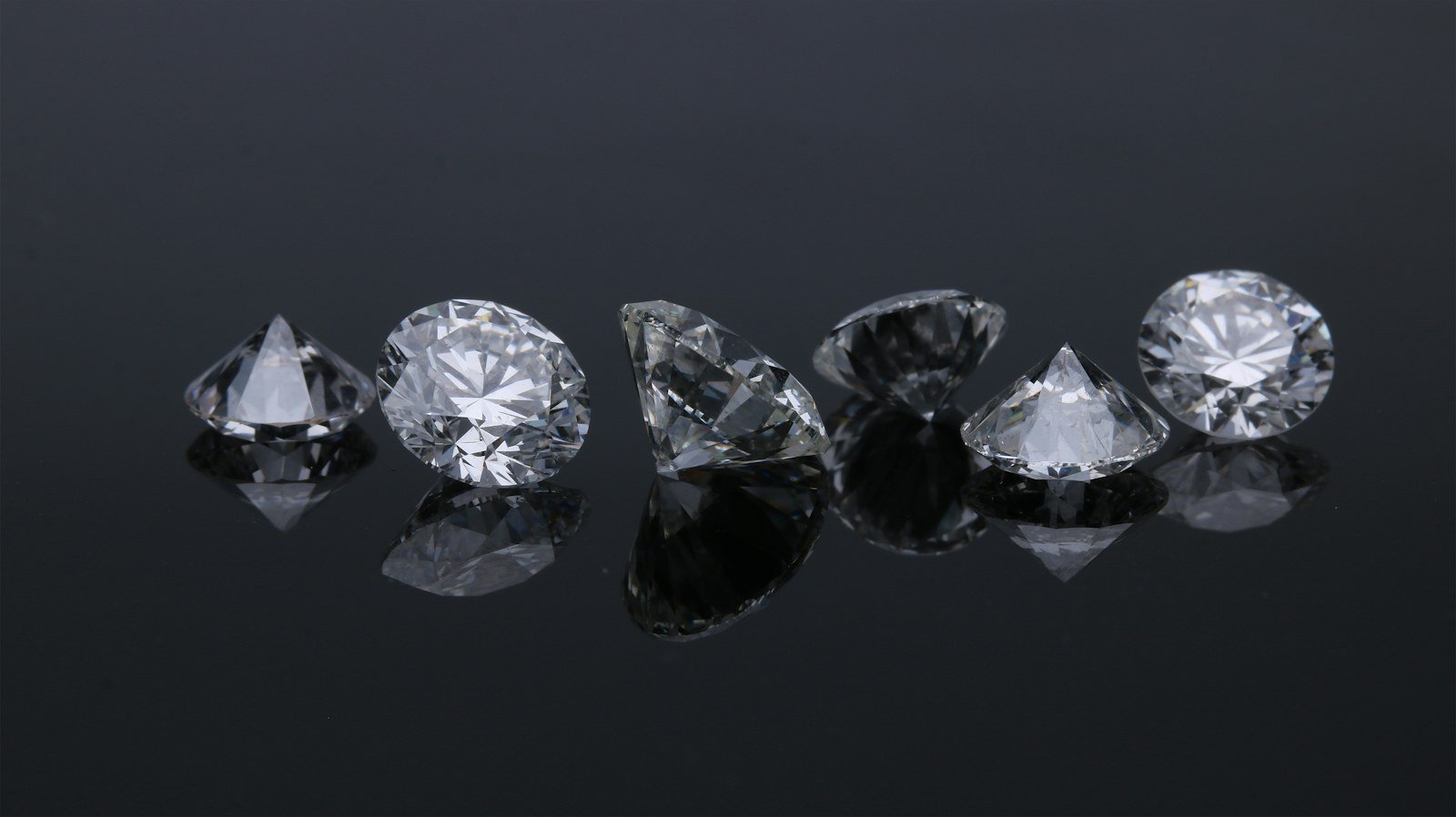
AI search optimization for jewelry begins with crawlable facts and evidence people can verify, including materials, certification, availability, and policies. Prioritize accuracy over claims that promise a special AI ranking shortcut.
Jewelry buyers increasingly ask detailed questions in AI-assisted search: which setting is practical for daily wear, how to compare diamonds, or where to find a trustworthy local jeweler. There is no magic schema or special file that guarantees your brand will be cited. The strongest foundation is still a discoverable website with accurate, useful, and verifiable information.
Ground AI search optimization for jewelry in search fundamentals
Google's guidance says that existing SEO best practices apply to its AI search features and that there are no separate technical requirements for inclusion. Pages still need to be accessible, indexable when appropriate, and helpful. See Google Search Central's AI features guide.
For a jewelry business, begin with clean category and product URLs, reliable internal links, descriptive headings, accessible content, and accurate product data. If your most important collection cannot be crawled or is marked noindex, writing an “AI optimized” FAQ will not fix the foundation.
Publish facts that can be checked
An AI answer may need to distinguish diamond origin, stone treatment, metal purity, carat weight, warranty, availability, and appointment options. Publish these details plainly and consistently. Use structured specification tables and visible product policies. Where a claim depends on certification, identify the scope of the certificate accurately.
Do not state that every piece is ethically sourced, conflict-free, investment-grade, or certified without evidence supporting the specific claim. Vague trust adjectives are less useful than documented processes, transparent policies, and precise descriptions.
Answer buyer questions directly
Create content around genuine questions with meaningful distinctions. A guide to platinum versus white gold should address maintenance, appearance, wear, and costs where supported, rather than repeating keywords. A ring-size guide should explain measurement uncertainty and when professional fitting is sensible.
Use clear sections, tables where they clarify comparisons, and original images when feasible. The objective is information that helps a buyer and can be referenced responsibly, not text formatted solely for a model.
Keep your business identity consistent
Use the same business name, locations, services, and contact details on the website and major business profiles. Link authors to credible bios when appropriate and show meaningful publication or revision dates. For stores with real showrooms, explain where consultations happen and what customers can expect.
Monitor whether important pages are indexed and whether referral traffic from AI services appears in your analytics. Attribution is incomplete, so avoid presenting AI mention counts as definitive revenue metrics.
Build an evidence library, not a claim library
Gather legitimate case examples, original testing notes, verified FAQs, product imagery, real policy pages, and expert explanations. Review them whenever inventory or terms change. Where your business has practical knowledge, share the reasoning behind recommendations rather than making unverifiable superlatives.
Our AI search optimization for jewelry service starts with crawlability, information quality, and measurable discovery. For the larger technical foundation, see jewelry technical SEO.
Product evidence to prepare for AI-assisted discovery
AI interfaces may summarize product information from several sources, so a jewelry brand benefits from consistent, verifiable facts. Build a small evidence record for each important product family. Include the precise metal and gemstone, dimensions, origin or certification details when applicable, current price or quote process, availability, and aftercare policies. Do not label a stone as certified or ethically sourced unless the underlying documentation supports the claim.
- Keep product descriptions and structured data aligned on visible specifications.
- Publish authentic photography with descriptive text rather than relying on image filenames alone.
- Explain warranties, resizing, returns, delivery, and bespoke timelines in plain language.
- Link educational guides to the actual products or consultations that answer the same buying question.
- Maintain an internal review process whenever merchandising or policy details change.
Test whether important pages can be crawled and rendered, then inspect how the brand is described in search experiences. Treat any third-party AI mention as an observation, not a promised ranking or source citation. Good information architecture and first-hand evidence help human shoppers just as much as search systems.
Related reading: Our product schema and content strategy guides cover connected improvements.
