
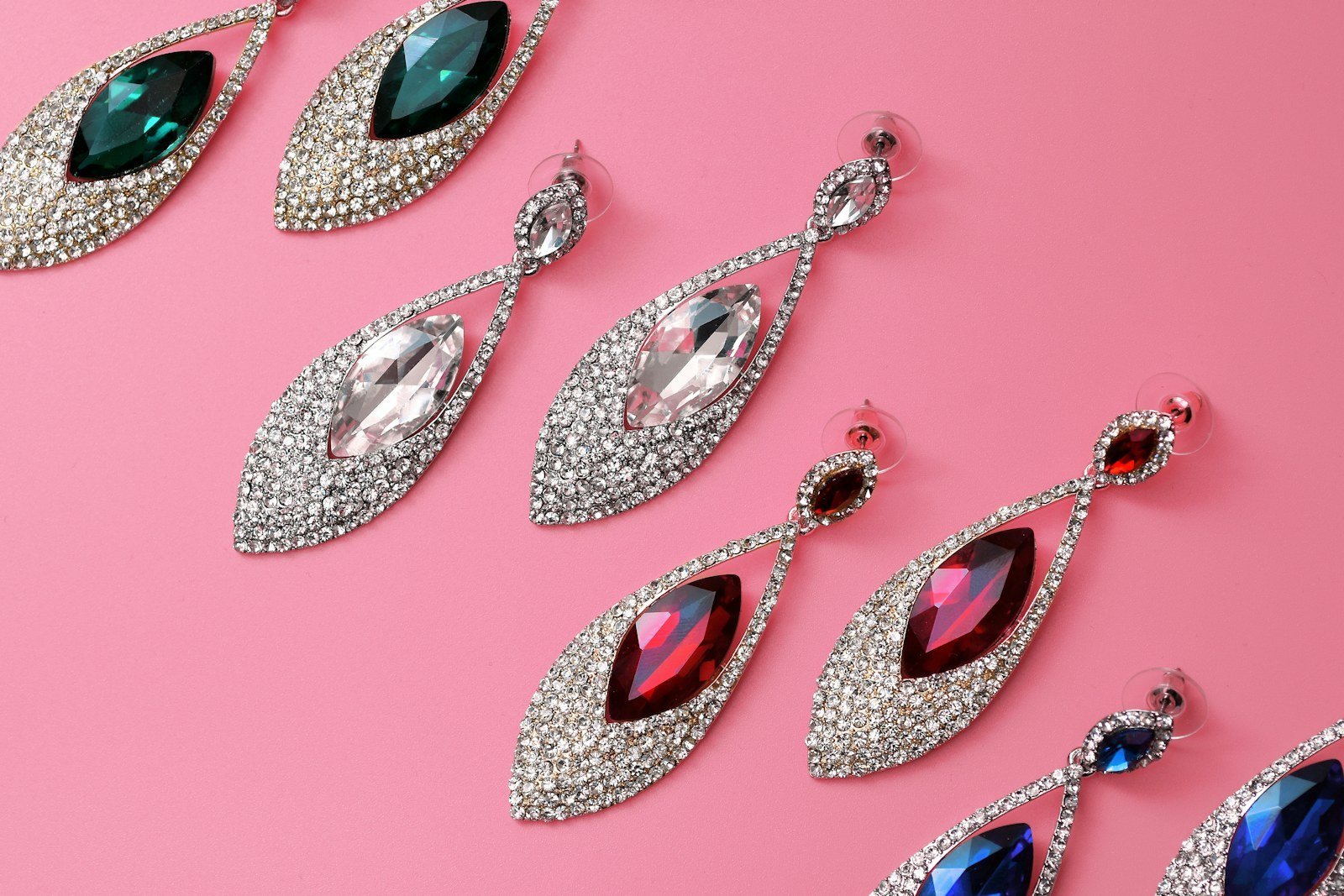
Jewelry product schema should describe what a buyer can verify on the page, including price, availability, variants, and applicable return details. Accurate markup helps machines interpret product facts but cannot replace clear content.
Structured data helps search engines understand what a jewelry product page represents. It does not replace useful content, and it cannot make an unavailable product appear purchasable. The most reliable setup starts with accurate catalogue data and then expresses that data consistently on the page, in markup, and in any product feed.
Understand what jewelry product schema says about Product and Offer
Product identifies the item. Offer describes how it is sold, including fields such as price, currency, availability, and seller when applicable. Merchant listing experiences may use product information along with shipping and return policy details. Follow Google's merchant listing requirements rather than copying generic schema snippets from unrelated websites.
For example, a real 14k yellow gold pendant page might include the product name, accurate image URLs, an offer price, currency, availability, and genuine reviews if they exist. The markup should not claim that a pendant is in stock if the visible page says it is unavailable.
When ProductGroup matters
Jewelry frequently has variants: ring size, metal, gemstone, carat weight, chain length, or finish. ProductGroup can express a family of related variants, with properties that vary and a shared parent relationship. Google's product variants documentation discusses patterns for single-page and multi-page variant setups.
Do not model every configurable option as a separate product if the commerce platform treats it differently. First establish which combinations have their own URL, SKU, price, and inventory. Then choose markup that accurately reflects the buying experience.
Common jewelry-specific mistakes
- Putting a category page full of different rings into markup intended for one purchasable product.
- Marking up prices that change with carat weight but never updating the schema when the buyer selects a variant.
- Using review ratings that do not correspond to the specific product.
- Publishing shipping or return claims that conflict with custom-order policy.
- Adding two competing Product entities from separate plugins.
- Marking made-to-order or quote-only products as immediately available without justification.
These errors often come from the data pipeline, not from a missing JSON-LD property.
Test the whole information chain
Select representative items: a simple product, a variable ring, an out-of-stock piece, a custom-order item, and a product on promotion. Compare the visible page, WooCommerce or Shopify product record, JSON-LD output, and Merchant Center feed where used.
Run the Rich Results Test and inspect Search Console's Merchant listings and Product snippets reports when available. A test passing is evidence of syntax and some eligibility checks, not a promise of a particular appearance in Search.
Review after significant catalogue or theme updates. Schema output may regress when plugins change, checkout settings are modified, or new variant types are introduced.
Keep the scope sensible
Use product markup on actual product pages. Use appropriate organization and breadcrumb markup for the wider website when warranted. Do not add FAQ or review schema indiscriminately in hopes of earning extra search features. Search appearance policies change, and schema should always represent visible, supported facts.
If product markup is one part of a broader crawl or catalogue problem, start with jewelry technical SEO and ecommerce SEO.
Related reading: Our product page SEO and merchant feeds guides cover connected improvements.
