
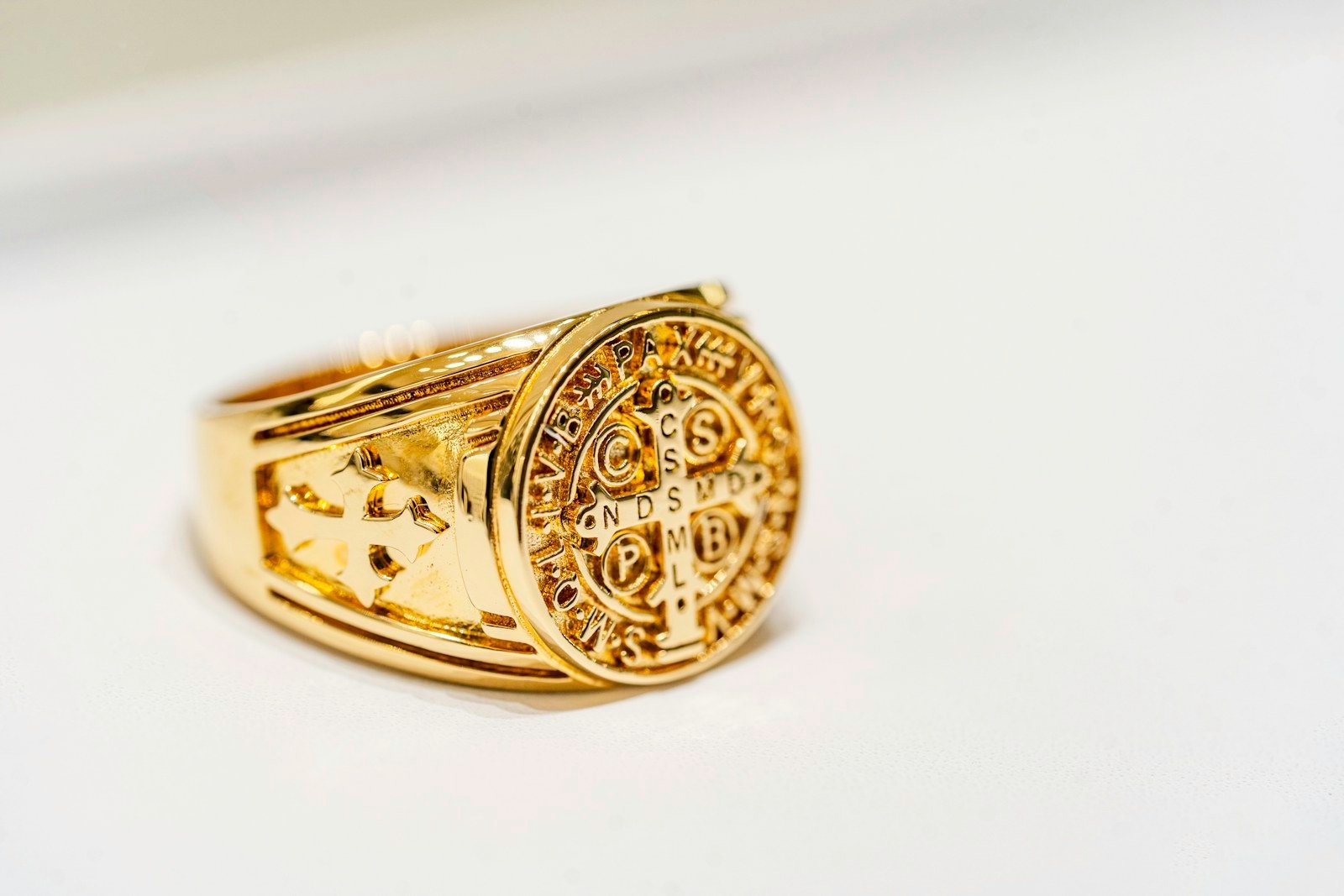
Jewelry image SEO should preserve the detail buyers need to judge craftsmanship while keeping pages accessible and responsive. Use this workflow for original photos, descriptive filenames, alt text, and performance.
Jewelry photography is not decoration. A buyer often evaluates a ring's profile, prong work, stone shape, or chain thickness through images before reading specifications. Image SEO therefore needs to preserve useful detail while keeping the site fast and accessible.
Start jewelry image SEO with an honest photography shot list
Before editing files, decide which views each product needs. A useful ring gallery may include a clean primary angle, a side profile, a scale reference, a stone close-up, and an on-hand image when available. For earrings, show backing and approximate size. For chains, show clasp, length, thickness, and a worn example.
Keep color grading consistent without altering the appearance of gemstones or metal in a misleading way. Label computer renders, representative stones, and lifestyle photography honestly. An attractive image that misrepresents the product creates returns and weakens trust.
Name and describe images for humans
Use filenames that describe the subject, such as oval-diamond-solitaire-yellow-gold-side-view.webp. Avoid camera default names and repetitive keyword stuffing. Write alt text for meaningful images that conveys what is visible and why it matters. Decorative images can use empty alt text.
Good: “Side view of an oval solitaire diamond ring with six-prong yellow gold setting.”
Weak: “best diamond ring jewelry SEO engagement diamond ring buy now.”
Alt text also supports accessibility. If the image contains information a shopper needs, the surrounding text should not rely on color or photography alone.
Balance resolution and loading performance
Use responsive srcset sizes so a phone does not download an oversized desktop image. Modern image formats can reduce payload, but compare visual quality around facets, prongs, engraving, and tiny stones. Aggressive compression can destroy the very details customers need to inspect.
Set width and height or aspect ratio to prevent layout jumps. Prioritize the main product image for loading, while deferring images below the fold when appropriate. Test zoom behavior and variant switching on real devices; a fast first paint is not enough if product images disappear when metal is changed.
Add image context where search engines can understand it
Place images near descriptive product copy, use meaningful captions when helpful, and include product images in valid Product structured data or product feeds where applicable. Google may surface ecommerce visuals across Search, Images, and Lens, but inclusion is not guaranteed. See Google's ecommerce appearance documentation.
For brand and campaign photography, confirm you own the images or have a license for their intended use. Unsplash photos may be suitable for supporting editorial imagery, but actual product listings should show the products you sell. Generic stock photos must not stand in for real inventory.
Audit images in five passes
- Accuracy: Does every photo show the correct product and variant?
- Coverage: Are there enough angles to answer important questions?
- Accessibility: Are meaningful images described appropriately?
- Performance: Are dimensions, formats, and responsive sizes appropriate?
- Discoverability: Do pages, feeds, and markup refer to the intended primary images?
Check mobile quality after optimization. What looks crisp at a 1440-pixel desktop viewport may be too small or cropped awkwardly in a 375-pixel mobile gallery.
Make photography accountable to outcomes
Monitor product-gallery interaction and the conversion rate of pages where imagery changed. If shoppers repeatedly zoom to inspect a clasp, consider adding a dedicated close-up and clearer specifications. If the image payload is inflating Largest Contentful Paint, rework delivery rather than removing important views.
Our jewelry ecommerce SEO and conversion optimization teams approach image quality, speed, and buying confidence as connected problems.
Related reading: Our product page SEO and site speed guides cover connected improvements.
